Showing posts with label porsche. Show all posts

Sunday, November 6, 2011

R.I.P.D. movie car chase scenes sighted!

During a trip through downtown Boston a couple weeks ago, I came across a film crew shooting some awesome car chase / car crash scenes and snapped a few pictures. Later I did some more research and found out that the movie was R.I.P.D. (stands for Rest in Peace Department) starring Ryan Reynolds, Kevin Bacon, and Jeff Bridges, and is expected to be released in 2013. The plot is evidently about a murdered cop who joins forces with living cops to find his killer. Sounds like a good action movie to me, and anything with a blacked out Porsche Cayenne has to be entertaining. It must be a big-budget film given that a good part of the city was shut down for the weekend. Click through for some more pictures.


Saturday, September 24, 2011

Favorite Car Lists #3: Coupes/Convertibles

Mercedes SLS AMG
It has been awhile, but it's time for the third installment of my favorite car lists - this time, coupes and convertibles (basically, anything with 2-3 doors). Click through to see - do you agree with my lists?


If I had $30,000 to spend on a coupe/convertible, I would buy:
1. Volkswagen GTI
2. Dodge Challenger
3. Mini Cooper S
4. Chevrolet Camaro
5. Volkswagen Beetle

If I had $60,000 to spend on a coupe/convertible, I would buy:
1. Mercedes E350 Coupe
2. Mercedes C350 Coupe
3. Audi S5
4. Cadillac CTS Coupe
5. BMW M3 Coupe

If I had $100,000 to spend on a coupe/convertible, I would buy:
1. Porsche 911 Targa 4
2. Mercedes C63 AMG Coupe
3. Jaguar XKR
4. Cadillac CTS-V Coupe
5. Mercedes E350 Coupe

If I had $200,000 to spend on a coupe/convertible, I would buy:
1. Mercedes SLS AMG
2. Aston Martin V12 Vantage
3. Audi R8
4. Maserati Gran Turismo S
5. Porsche 911 Turbo S

If money was not an object, I would buy the following coupes/convertibles:
1. Bugatti Veyron
2. Mercedes SLS AMG
3. Lamborghini Aventador
4. Lexus LFA
5. Aston Martin One-77
Honorable Mention: Ferrari 458 Italia, McLaren MP4-12C

Friday, September 9, 2011

Ugly door handles can RUIN a car

BMW Z4
Door handles, while small and seemingly unnoticeable, are a crucial part of car design. In my opinion, European-style handles (think Mercedes) are most attractive, and have made their way onto most cars by now. However, quite a few car designs have been harmed by ugly door handles, like this BMW Z4. This awkward looking coupe/convertible could've been slightly improved with the handles seen on any other car in BMW's lineup. Click through to see some more examples:

#1: The dreaded 90s-00s GM door handle
Corvette C5 Z06
Look carefully at the door handle of this Corvette Z06, and compare to the pictures below. As mentioned in my previous post, this is a major reason why the C5 will lose appeal over time:


Buick LeSabre
Oldsmobile Intrigue

Pontiac Grand Prix
Chevy Malibu
There are even more (Impala, Aurora, Monte Carlo, Cutlass, Bonneville, Century, Regal, etc.), but need I continue? The fact that this ubiquitous door handle made its way to the Corvette disgusts me.

--------------------------------------------------------------------------------------------------------

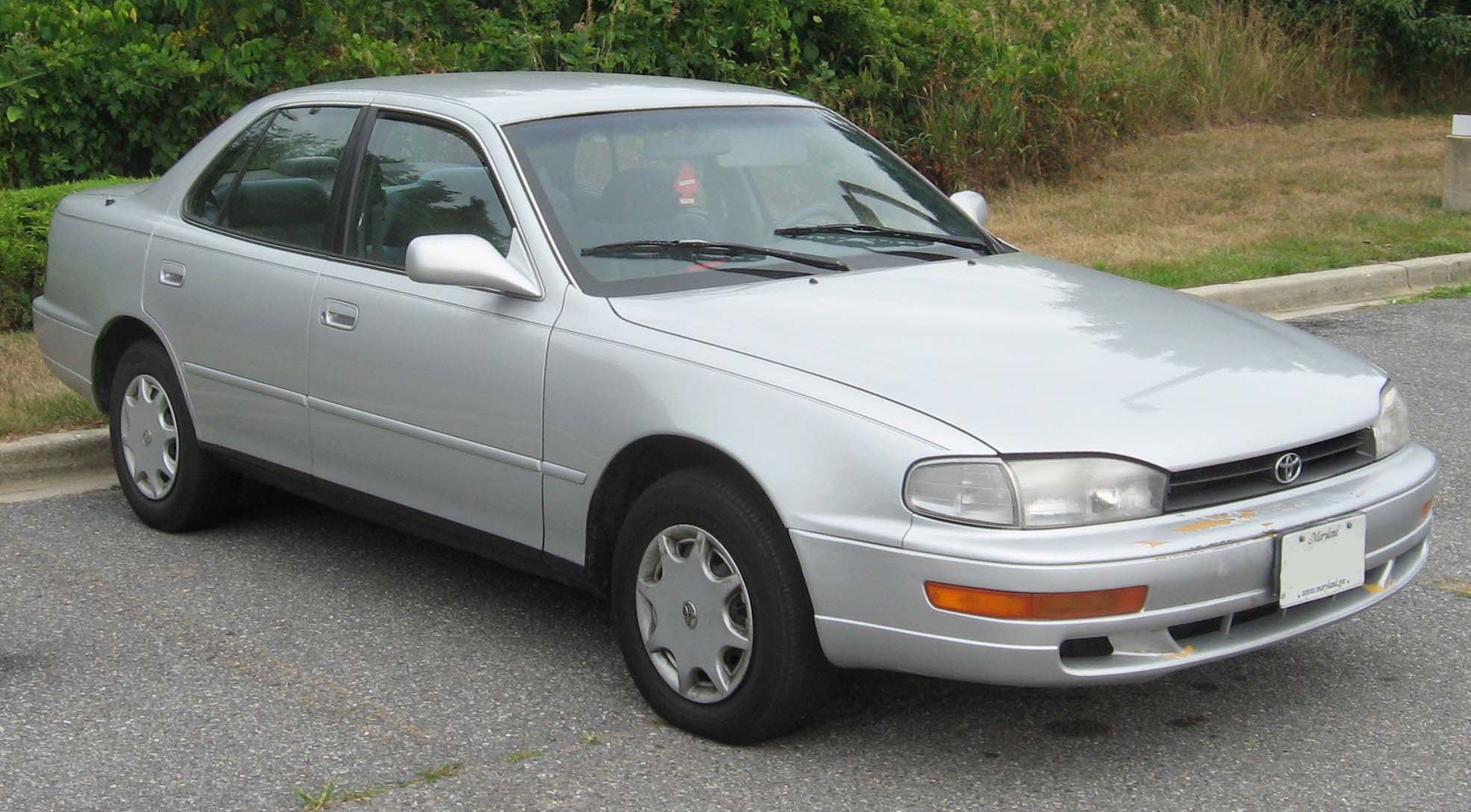
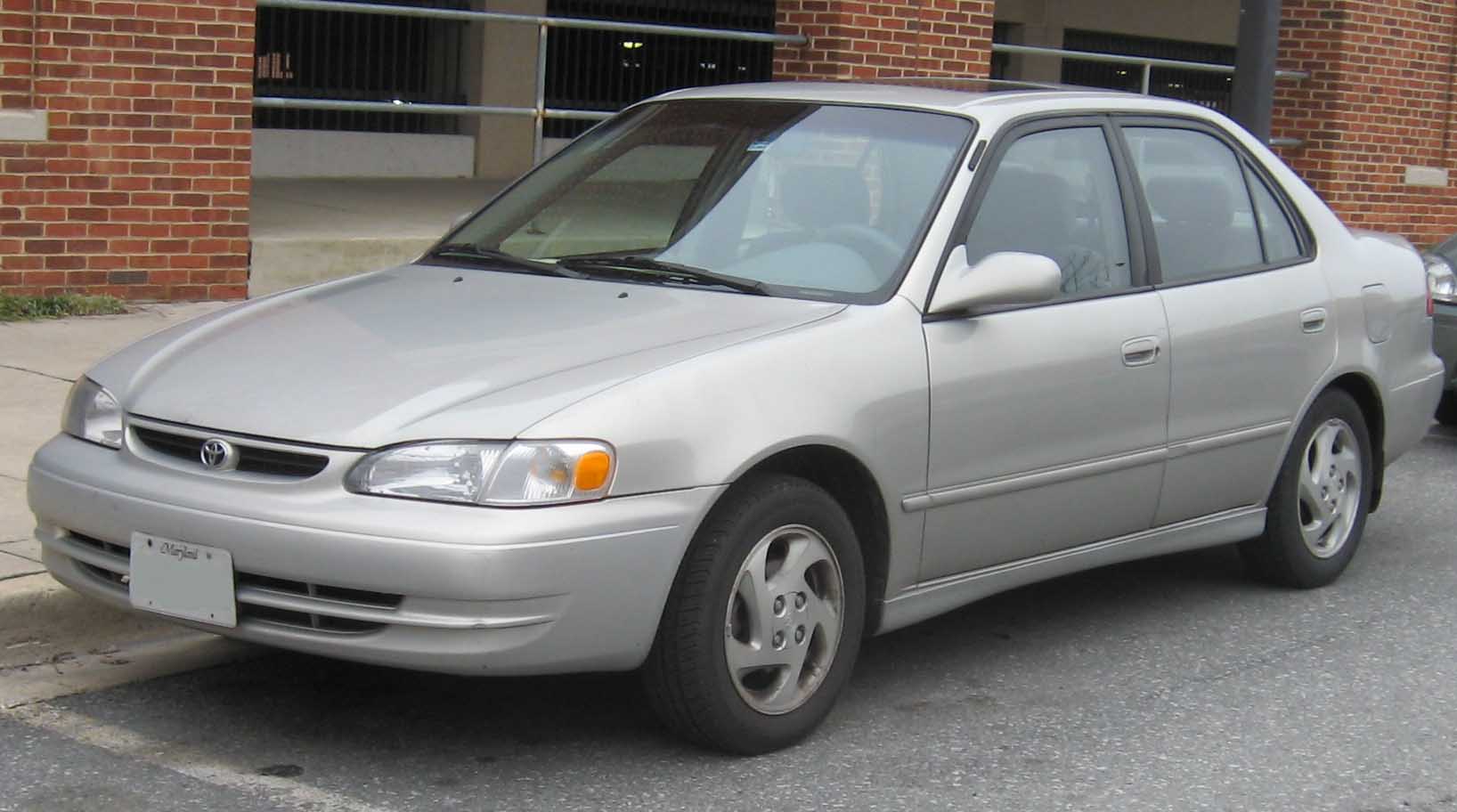
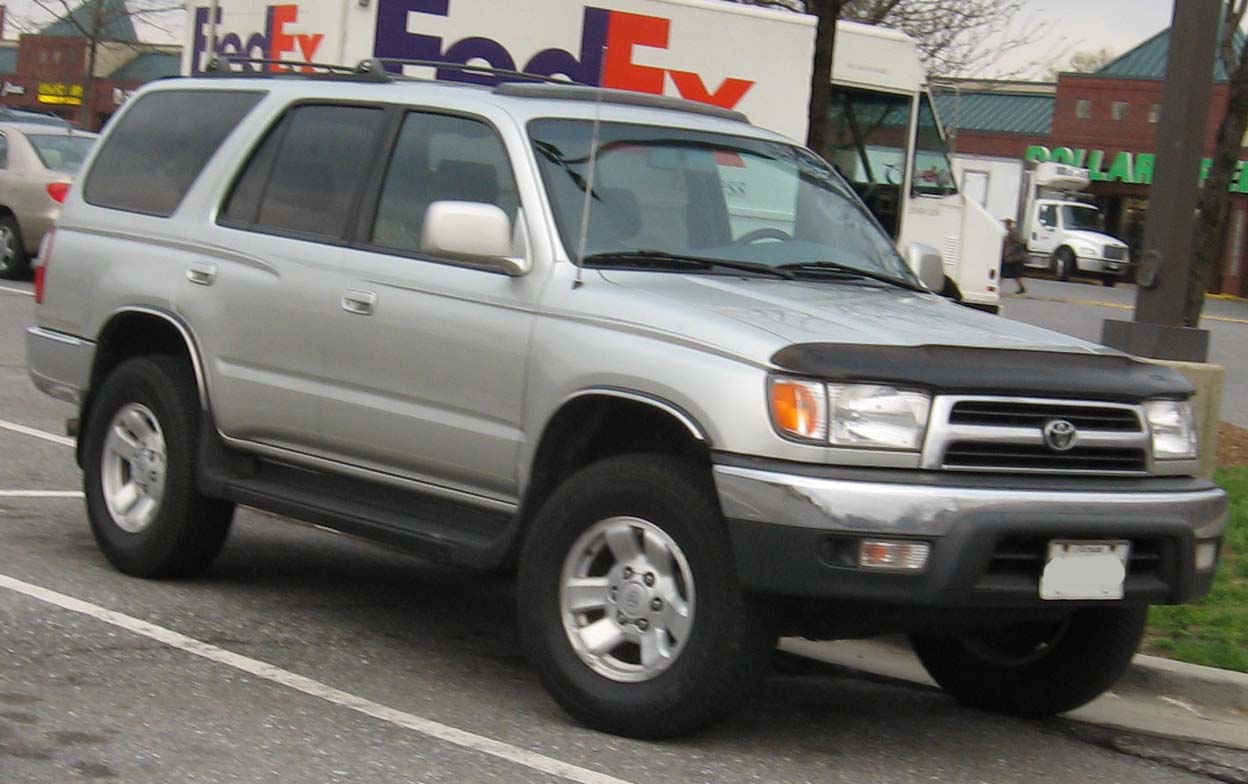
#2: The Toyota Camry door handle
1991-1996 Toyota Camry
1996-2001 Toyota Camry
The Toyota Camry is the world's most uninspiring car. It is popular because it has excellent reliability and build quality - not because it looks good, because it doesn't. Notice that Toyota carried over the same bland door handle across 2 generations of Camrys, as well on many other cars in its lineup, ruining them as well.

Toyota Celica
Toyota MR2
Lexus LS
Lexus ES
Toyota Avalon
Toyota Corolla
Toyota Solara
Toyota 4Runner
Toyota Supra
--------------------------------------------------------------------------------------------------------

 #3: Nissan's hideaway SUV rear door handles
Nissan X-Terra
A sporty 2-door SUV can be pretty cool (think Land Rover Defender, Evoque, Jeep Wrangler, Hummer H1, Isuzu Amigo, Ford Bronco), but lack the functionality and space that a 4-door SUV provides. In an attempt to achieve the best of both worlds, some car companies - especially Nissan - have moved the rear door handle to the C-pillar to achieve the look of a 2-door SUV. However, I think this is really ugly and impractical - I am not tricked by this trompe l'oeil at all. And, by the way, it must be difficult for children to reach that high, which is counterintuitive given that children typically sit in the backseat. Aside from the Nissan X-Terra pictured above, here are a few more examples:

Nissan Pathfinder / Infiniti QX4
Nissan Armada / Infiniti QX56
Nissan Juke
The designers must have thought...could we make this any uglier? Yes! Let's add weird door handles to the rear doors!

Jeep Compass
 What a disaster the Jeep Compass is. The Nissan-like rear door handles add to the car's confusing mess of a design.

Honda Element
The Element's rear door handles are not as bad given how small the back doors are.

--------------------------------------------------------------------------------------------------------

#4: Miscellaneous Examples:
Renault Twingo

If you travel to any European country, you are bound to see many Renault Twingos on the road. Unlike Americans, Europeans love small, economical hatchbacks, and the Twingo definitely fits the bill. However, the styling is too cutesy for my tastes, and the round door handles do not help.

Audi A3
Everyone knows I'm a HUGE Audi A3 fan. However, if I have 1 gripe, it is the outdated door handles: why hasn't Audi put the same handles on the A3 as on the rest of the lineup?

Ford Thunderbird
The Thunderbird remake had a lot going for it, but always fell short in my eyes. Imagine how much sleeker this car would look with the European-style handles seen on all of Ford's models today...

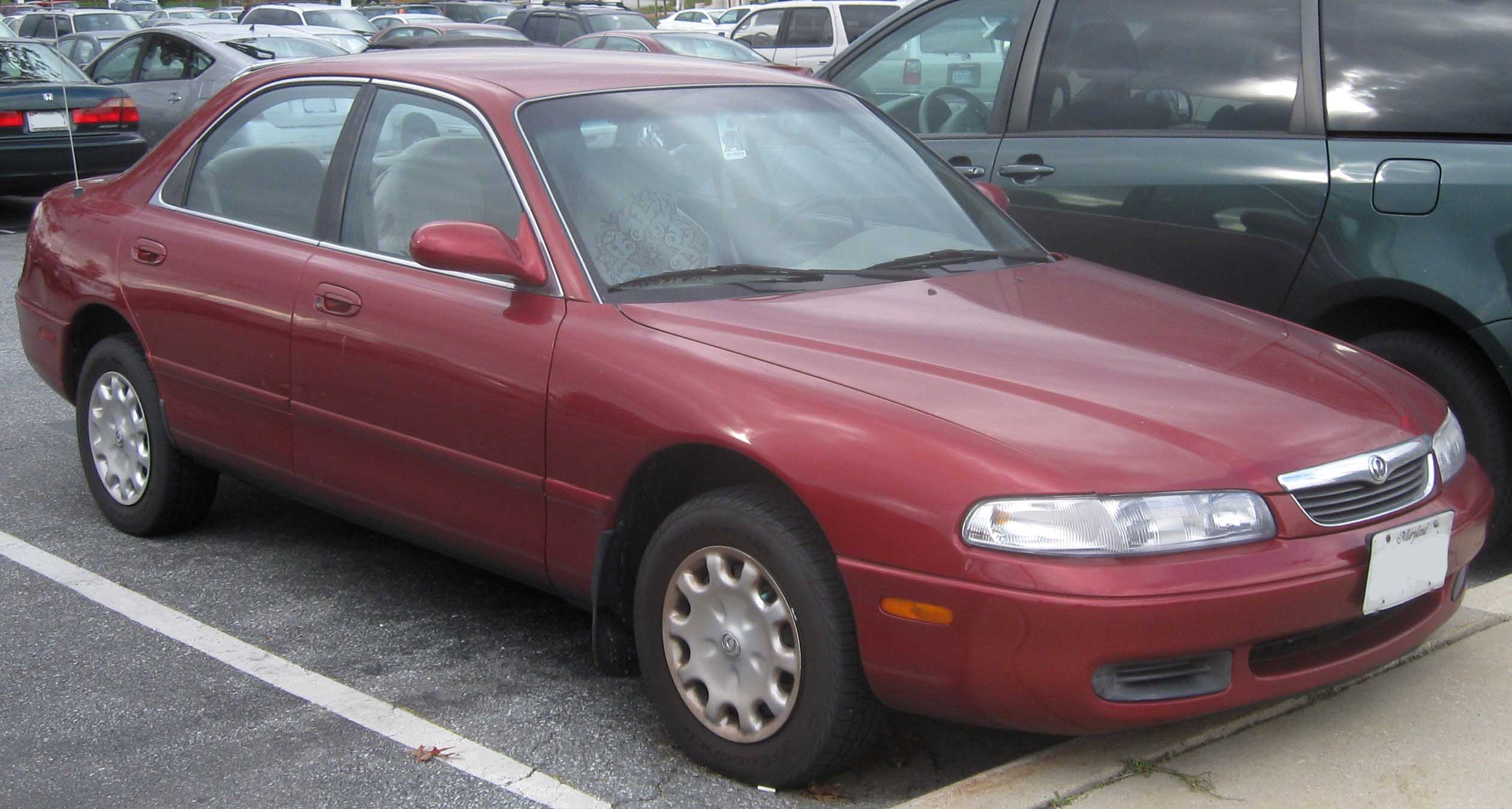
Mazda 626
The Mazda 626 actually gives the Toyota Camry a run for its money on the most boring car ever made. The 626 has absolutely no style, except for its ugly, overstyled door handles, which make me not want to get inside this car even more. There is an extra crease in the door handle that just should not be there. It is subtle, so you may need to enlarge this picture to see what I'm talking about...

Honda CR-Z
I understand that Honda wants to be edgy, but the CR-Z's door handles are weird looking and do not look easy to open. Traditional handles may have looked sleeker.

Nissan Micra
Fortunately not sold in the states, the last-gen Micra looked like it was frowning from the side-profile. This frumpy design actually may have been improved with a more traditional kind of door handle.

Pontiac Trans Sport / Chevy Lumina / Oldsmobile Silhouette
Yikes! In its day, this minivan looked futuristic, but its design certainly has not stood the test of time. The door handles are quite avant-garde, something the already bonkers design did not need.

Porsche 911 996
Why not end with a bombshell - for first time in Porsche's history, the Porsche 911 996 and first-gen Boxster moved away from traditional door handles to the ones pictured above. For that reason alone, I do not like either model when I see them on the road. Everything else about the 996 and Boxster is beautiful, but the door handles impair the designs to such an extent that I would never buy either car. Fortunately, Porsche reinstated its old traditional door handles in the 997, 991, and refreshed Boxster.

Tuesday, July 26, 2011

My take on the Honda CR-V...past, present, and future

Honda CR-V Concept
If you read any popular car news blogs, you've probably already come across this picture "leaked" by Honda (probably on purpose) a couple days ago. This is the only picture released so far, so we haven't seen the taillights or interior. In a nutshell, I think this "concept" - which, by the way, will probably be ~95% identical to the eventual showroom model - is a huge improvement over the outgoing model, but the grille bothers me. Click through to read my impressions.


Honda Accord Crosstour
The CR-V concept's troubling grille is unfortunately borrowed from the new Crosstour. The Crosstour is probably the most unattractive and disproportionate SUV on the market today, so it pains me to think that Honda is spreading its awkward design cues to adjacent models. The Crosstour's grille is too short and angular, the rump is too big (makes the Panamera look svelte!), the stance is too low, and the price is too high for a vehicle that really can't go off road. The CR-V's more toned-down grille looks slightly better, but still...c'mon Honda!

2006-present CR-V
Let's take a look at the current CR-V. As I mentioned, the new CR-V Concept represents a significant improvement. But first a disclaimer: to any readers who own this car, I do understand why: it is very well constructed, cheap to repair, has excellent resale value, is pleasant to drive, and has ample space. I am not denying these facts at all. However, the design is a mixture of awkward curves and angles that, when combined, look fairly disjointed and convoluted. Let's start with the front end - why is there an extra grille underneath the Honda logo? It looks ridiculous and completely out of proportion. Honda facelifted the front end in 2010, but it did not solve the issue.

2006-present CR-V

Now let's move to the thick D-pillar. Besides providing poor rear visibility, the ovular rear windows look frumpy. I'm not really sure what look Honda was going for - the Jetsons? A mid-90s Ford Taurus? The new CR-V concept thankfully solves this issue with much more attractive Lexus RX-like rear windows. The ribbed plastic body-cladding along the sides, front, and rear of the car help a little bit, but I'm afraid it's not enough. One design feature that does work on this (and all) CR-Vs is the taillight design. The vertically-stacked lights are unique to the CR-V and from afar, give the rear end an almost Volvo-esque look.

2006-present CR-V
The interior of the current CR-V is quite pleasant and, similar to most Hondas, extremely well made. The position and angle of the shifter are not very sporty, but the overall fit and finish is leaps and bounds over the CR-V's American competitors.

2002-2006 CR-V
In contrast with the current CR-V, the previous generation has a fantastic exterior design, through-and-through. The front-end is simple and clean, yet rugged. The triangular-shaped C and D pillars make the car look quite strong, as if it could traverse any kind of terrain (whether or not it actually can!).

2002-2006 CR-V
The interior is also up to Honda's high standards of craftsmanship, but the design looks a bit outdated now (including the print on the cloth seats). Perhaps Honda was aiming for the rugged Land Rover / Jeep effect? If so, it worked.

1995-2001 CR-V
In the mid-90s, SUVs were a novelty; suddenly the Jeep Cherokee had competition from Japan,  namely the Toyota RAV4 and Honda CR-V. (Nissan was late to the game with the XTerra, and I would not consider the Suzuki Vitara a formidable competitor.) Compared to the first-gen Toyota RAV4, the original CR-V has held up considerably better. Whereas a mid-90s RAV4 looks squished and stilted, the first-gen CR-V still looks like it is ready to go on a safari. The proportions are excellently well-balanced - not too big, not too small. The front end is modest yet attractive, and from afar (to the untrained eye) this model could be mistaken for a Land Rover Freelander. 

1995-2001 CR-V
The original CR-V's interior is basic, yet functional and attractive. No user manual required to operate any of the switches. And look at that cassette player...nice ;)

The takeaway of this post: the CR-V has always been an steadfast competitor in the small crossover market. I think Honda lost its way in the current (2006-present) model, but the jury's still out on whether the brand new concept will regain the essence that made the original CR-V so unique. Basic is better!

Thursday, July 7, 2011

No, fake air vents don't make your Taurus look better


I pass this gussied-up Taurus every day on my way to work, and it really bothers me. It looks to be a 2000-03 model, and it sports the champagne color ever popular with rental companies, fleets, and mid-1990s suburbia. The chrome alloy wheels and red brake calipers do look expensive (read: overpriced), but are totally mismatched on a car this bland. But the real problem with this car are the aftermarket air vents and V8 logo. Both are a bit crooked and appear to have been affixed at home using crazy glue.

Air vents aren't supposed to protrude from a car - doesn't that defeat their aerodynamic purpose? And this Taurus is not a SHO (they didn't even offer one on this body style), so affixing a V8 logo is ridiculous. The V8 was only offered on late-90s SHOs anyway - today, a V6 is offered.
The concept of car customization is as old as the automobile itself, and saw resurgence in the 1990s and early 2000s with movies such as Fast and the Furious. Cars were still basic enough to easily swap a bumper on a Civic, swap the taillights on an Eclipse, or replace the hood of a Mustang. Toyota specifically created Scion to address the young population driving these trends. However, in today's post-recession world, kids don't have discretionary money to spend on car customization (because their parents don't), and young people increasingly want to retain the resale value of their cars. Today, Toyota is struggling to sell Scions. Cars are also more difficult to customize today; I would imagine that swapping out a new Honda CR-Z's body parts, while certainly achievable, is more difficult and expensive than doing so on a 1989 CR-X. There are more electronics, more curvy, tightly fitting body panels, and more safety regulations in today's cars than ever before. Therefore, simple "at-home remedies", such as the stickers affixed to the Taurus pictured above, are increasingly popular and cost-effective way to attempt to make your car unique.

How air vents are supposed to be done
Air vents look great on some cars. Portholes are an interesting subset of air vents, and I think Buick is the only company that can pull them off. The portholes look great on the new Insignia Regal GS, LaCrosse, and Enclave.

Buick Regal GS
Placing the portholes on top of the hood instead of the side is a much sportier design choice. Well done, Buick.

Buick Lucerne
Even Buick's previous porthole location on the side of the car, such as on the Lucerne, works well. Portholes would look gaudy on any other car, but people have come to expect portholes on Buicks - it is an instantly recognizable brand symbol.

Mercedes SLS AMG
Many sports cars, such as this Mercedes SLS AMG, use a more traditional style of air vents in a tasteful yet functional manner. For powerful cars like these, airvents are a necessity to keep the engine cool.
BMW M3
When used appropriately, side air vents can create a very powerful visual statement, such as on the M3. Notice how the air vent does not protrude like on the Taurus...it is rather aerodynamically carved into the car.

Porsche 911 Turbo
The rear-engined 911 Turbo has one of the most recognizable air vents of all Porsches. Yummy.

How NOT to do air vents (besides the Taurus)


Similar to the owners of the shameful Taurus, many manufacturers add air vents to their cars in a tasteless manner. Often what was intended to be a status symbol turns into an embarrassment.

Ford Focus
There are so many design flaws with the previous-gen Focus (all of which have been addressed in the current redesigned model). The side air vent is obviously not functional - it is a slab of black plastic intended to make this awkward car look sporty.

Infiniti QX
All I can say is "wow". The air vents look terrible on the QX, although even without the vents the SUV would be an eyesore. The vents look tacked-on and mismatch the rest of the car. It was almost like the designers realized that the SUV was too slab-sided and needed a quick fix to make it more "interesting". Well, they succeeded...as much (or as little) as the Taurus did.

Cadillac CTS
I do not understand the little chrome side vents on the CTS. They look like an afterthought, and I wish Cadillac had left them off. In every other way, the CTS is a fantastic design - no need to overdo it, GM :)